
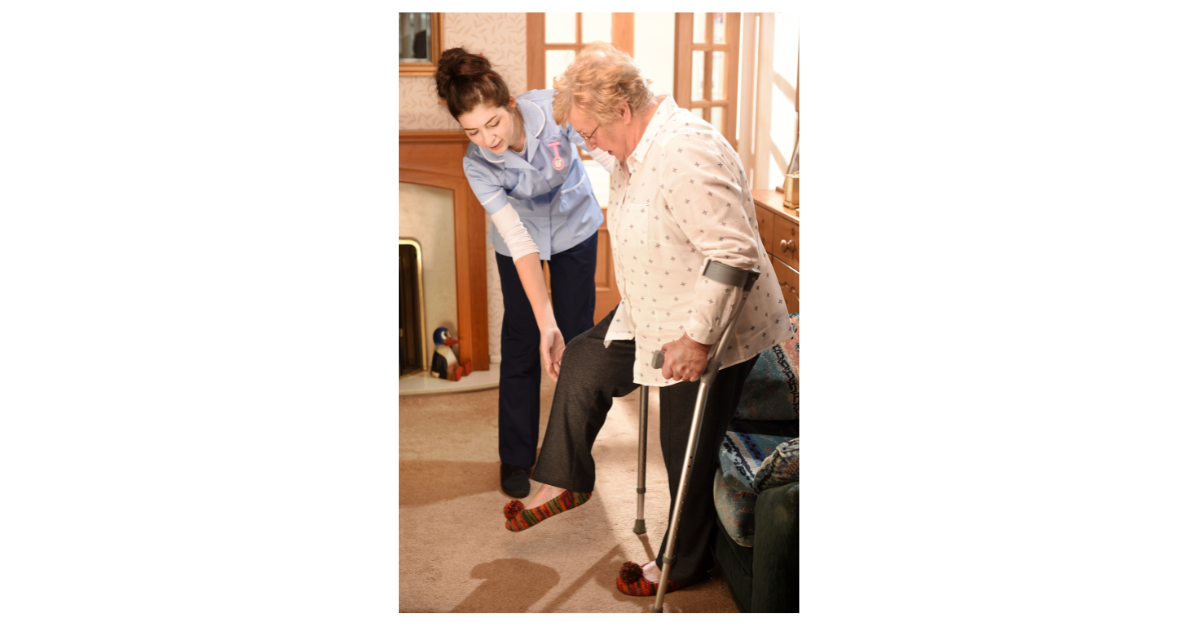
Walking six metres in a clinic may seem easy. Yet real-life mobility presents many challenges. For instance, navigating your home, uneven pavements, or local shops can feel daunting. Many people feel trapped indoors due to fear of falling. At SP Therapy Services, functional walking rehabilitation helps restore confidence and independence in everyday life.
The Gap Between Clinic Tests and Real-Life Walking
Physiotherapists often rely on standardised tests to assess walking and fall risk. For example, the 6 Metre Walk Test measures time and steps over six metres in a controlled setting. Similarly, the Timed Up and Go (TUG) evaluates standing, walking, turning, and sitting. The 30-Second Sit to Stand Test measures lower limb strength and fall risk.
Although these tests provide useful baseline data, they rarely reflect real-world challenges. For example, poor lighting, clutter, or stairs can make walking difficult. Therefore, relying solely on clinic results may give a false sense of safety.
Why Functional Walking Rehabilitation in the Community Works
Community-based rehabilitation bridges the gap between clinic performance and daily life. By practising in real environments, clients regain confidence gradually. Additionally, therapists can address obstacles that are unique to each person’s home and local area.
Assessing Walking in Context
During home visits, physiotherapists evaluate walking where it matters most. For instance:
-
In your home: Moving between rooms, thresholds, and narrow spaces
-
On stairs: Evaluating technique, safety, and handrail use
-
In your garden or outdoors: Managing uneven ground and steps
-
In the community: Walking to local shops, post offices, or GP surgeries
By assessing walking in context, therapists uncover difficulties that clinic tests often miss. Consequently, interventions are far more effective.
Addressing Environmental Barriers
Real homes come with real obstacles. Loose rugs, poor lighting, narrow pathways, or missing handrails can increase fall risk. Furthermore, cluttered spaces make safe navigation harder. During home visits, our physiotherapists identify these issues and offer practical solutions. In addition, we provide advice that supports long-term safety.
Practising Real-World Tasks
Functional walking extends beyond simple movement. For example, everyday tasks include:
-
Carrying a cup of tea safely
-
Walking upstairs while using handrails
-
Managing doors while carrying shopping
-
Walking a dog or pushing a pushchair
We practise these tasks in your home and local area. Over time, clients develop strategies that become second nature. As a result, confidence and independence increase steadily.
Preventing Falls Through Functional Walking Rehabilitation
Falls prevention requires a holistic approach. Physical factors such as strength, balance, coordination, vision, and endurance play a role. Additionally, environmental factors, including home layout, flooring, stairs, and outdoor terrain, affect safety. Psychological factors, like fear and anxiety, can further limit mobility. Finally, functional factors—the daily tasks someone needs or wants to perform—must be considered.
By addressing all these elements together, functional walking rehabilitation provides personalised strategies that work in real life. Consequently, the risk of falls is reduced while confidence grows.
Breaking Free from Fear: From Home to Community
Fear of falling often leads to isolation. Therefore, we use a graduated approach to restore mobility safely:
Stage One: Confidence at Home
-
Move safely between rooms
-
Manage stairs effectively
-
Navigate different lighting conditions
-
Carry items safely
Two: Accessing the Outdoors
-
Manage front/back door steps
-
Walk in gardens or nearby outdoor areas
-
Practise on uneven surfaces
-
Build endurance for longer walks
Three: Community Participation
-
Walk to local destinations with support
-
Navigate kerbs, crossings, and varied terrain
-
Gain confidence for independent community access
By progressing gradually, clients consolidate skills at each stage. This approach builds sustainable confidence while reducing anxiety.
The SP Therapy Services Approach to Functional Walking Rehabilitation
Our neurological physiotherapists focus on functional walking in real environments. This means walking confidently at home and outdoors. Clients can access local shops safely, participate in social activities, and maintain independence.
We provide:
-
Home-based assessments of walking, fall risk, and environment
-
Personalised exercise programmes for strength, balance, and walking efficiency
-
Real-world task practice at home and in the community
-
Environmental modification advice
-
Progressive confidence-building strategies
-
Tailored falls prevention plans
-
Family and carer education
By combining these elements, clients achieve meaningful improvements that translate directly to daily life.
Clinical Measures Meet Real-World Goals
Clinic tests provide valuable baseline information. However, true functional walking is measured by everyday tasks. For example:
-
6-metre walk → Can you move safely in your home?
-
TUG → Can you get out of a chair and answer the door?
-
Sit-to-stand → Can you get on/off the toilet independently?
At SP Therapy Services, success is measured by how well you move in life, not just in the clinic.
Beyond Tests: Real Independence, Real Life
Across Greater Manchester, Lancashire, and Yorkshire, our physiotherapists help clients achieve functional walking that restores confidence and independence. For anyone struggling with mobility or fear of falling, contact SP Therapy Services today. Start your journey toward confident, real-world walking.
Author Bio:
Jayne Hallford is a Chartered Physiotherapist and Clinical Coordinator at SP Therapy Services in Barnsley, South Yorkshire. She specialises in neurological rehabilitation and delivers community-based physiotherapy that improves independence and daily life.
Qualifications:
-
BSc Hons Physiotherapy Studies, Leeds Beckett University
-
Registered with the Health & Care Professions Council
-
Member of the Chartered Society of Physiotherapy
Editor’s note; This article was originally published in August 2017 and has been comprehensively updated in November 2025 to reflect significant developments falls prevention and evidence supporting community-based rehabilitation. All information has been reviewed to ensure accuracy and relevance to current best practices and service provision by SP Therapy Services.