
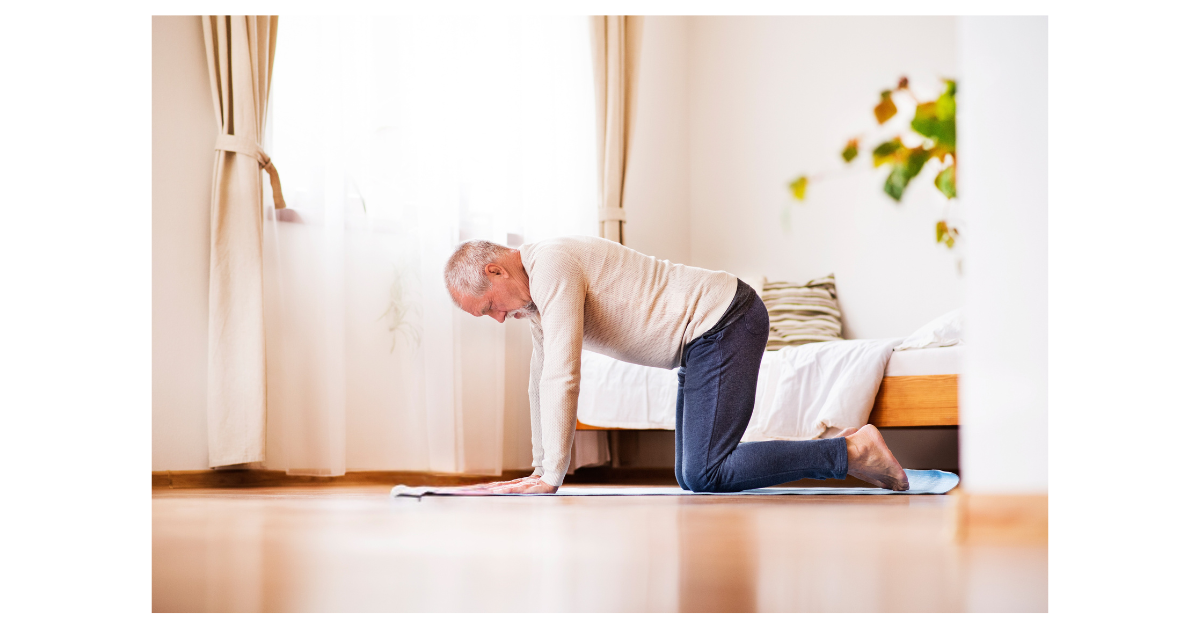
Winter falls prevention at home is more important than many people realise. As the darker evenings draw in and temperatures drop, many people naturally spend more time indoors. Icy pavements, poor visibility, and unpredictable weather often make venturing outside feel riskier. However, here’s the surprising truth: staying indoors doesn’t necessarily protect you from falls. In fact, it may increase your risk. Understanding winter falls prevention at home can make a huge difference to your safety over the colder months.
The Sobering Reality: Most Falls Happen at Home
When we think about winter falls, many of us picture slipping on icy pavements. Yet research shows that 60–70% of falls in older adults actually occur inside the home, while only around 30% happen in the wider community.
Within the home, the most common fall locations may surprise you:
-
Bedrooms: 25% of home falls, especially in people aged 85+
-
Stairs: Nearly 23% in adults aged 65–74
-
Bathrooms: Almost 23%, often due to wet, slippery surfaces
-
Living rooms: 31% of falls in homes without stairs
-
Hallways: 10%, commonly due to clutter or poor lighting
The kitchen accounts for a smaller percentage of falls. Nevertheless, it remains an area where balance, strength, and coordination are constantly tested as we reach, bend, and move.
Winter Inactivity: A Major Risk for Falls at Home
During winter months, many people reduce their activity levels significantly. Regular walks may stop, community exercise classes may be avoided, and everyday movement often decreases due to cold, dark evenings. While these changes feel protective, they actually create a dangerous cycle of inactivity. This drop in activity is one of the biggest barriers to effective winter falls prevention at home.
Inactivity Increases Fall Risk
When we move less, several changes occur:
-
Muscle weakness: Loss of strength begins in as little as two weeks
-
Poor balance: Balance deteriorates without regular practice
-
Reduced bone density: Less weight-bearing activity accelerates bone loss
-
Loss of confidence: Inactivity increases fear, which then leads to more inactivity
-
Slower reactions: Protective reflexes become less effective
The Deconditioning Spiral
This is how winter inactivity often unfolds:
-
Cold, wet weather → reduced outdoor activity
-
More time sitting → weaker muscles
-
Balance worsens → confidence decreases
-
Fear grows → activity reduces further
-
Fall risk increases indoors and outdoors
A first fall can trigger fear, which may cause even more inactivity and further heighten the risk of future falls.
Ironically, by staying inside to avoid slippery pavements, we may be making ourselves more vulnerable to falling on our own living room carpet.
Clinical Tests vs Real-World Strength
Physiotherapists often use standardised tests to assess fall risk:
-
6 Metre Walk Test – measures walking speed
-
Timed Up and Go (TUG) – assesses mobility and turning
-
30-Second Sit-to-Stand Test – indicates lower limb strength
These tests are useful, but they take place in controlled environments: flat floors, no obstacles, and good lighting.
Real life is different. At home, you may be:
-
Walking in dim lighting
-
Carrying drinks, laundry, or shopping
-
Navigating cluttered spaces
-
Getting up from chairs of different heights
-
Moving around pets or grandchildren
Success in a clinic does not always translate to the day-to-day demands of real life.
Five Kitchen Exercises for Winter Falls Prevention at Home
You don’t need to brave icy pavements to stay strong. Your kitchen worktop can act as your own winter gym. These straightforward exercises help maintain strength, balance, and functional mobility.
Aim to repeat them daily. Consistency matters more than intensity.
These exercises form a simple and effective approach to winter falls prevention at home.
1. Supported Mini Squats (Sit-to-Stand Practice)
What it does: Strengthens thighs, buttocks, and core.
How to do it:
-
Stand facing your worktop, feet hip-width apart.
-
Rest your hands lightly on the surface.
-
Bend your hips and knees as if sitting back.
-
Lower only as far as comfortable.
-
Push through your heels to return to standing.
-
Repeat 10–15 times.
Progression: Reduce hand support, moving from full hands to fingertips, then to hovering hands.
2. Calf Raises
What it does: Builds calf and ankle strength for walking and climbing stairs.
How to do it:
-
Stand facing your worktop.
-
Rise onto your tiptoes.
-
Hold for 2–3 seconds.
-
Lower slowly.
-
Repeat 15–20 times.
Progression: Try single-leg calf raises.
3. Standing Marches
What it does: Improves hip strength, balance, and coordination.
How to do it:
-
Stand sideways to the worktop.
-
Lift each knee in a marching motion.
-
Keep your standing leg strong.
-
Continue for 30–60 seconds.
Progression: March without holding on, or lift your knees higher.
4. Single Leg Stands
What it does: Directly challenges and improves balance.
How to do it:
-
Stand sideways to the worktop.
-
Lift one foot slightly off the floor.
-
Hold for as long as possible, up to 30 seconds.
-
Repeat three times on each leg.
Progression: Use fingertips only, or cross your arms. Only close your eyes if you are safe and steady.
Target: Standing on one leg for 10+ seconds is linked to reduced fall risk.
5. Heel-to-Toe Walk (Tandem Walking)
What it does: Mimics narrow-space walking and turning.
How to do it:
-
Stand beside your worktop.
-
Place one foot directly in front of the other.
-
Walk forward 10 steps.
-
Turn slowly and return.
-
Repeat 2–3 times.
Progression: Reduce hand support or try a slightly uneven surface, such as a thin mat.
Making It a Daily Falls-Prevention Habit at Home
The key to falls prevention is consistency, not perfection.
Try these strategies:
-
Link exercises to daily routines: e.g., while the kettle boils
-
Start small: Even five minutes helps
-
Progress gradually: Follow the suggested variations
-
Record improvements: Balance time, repetitions, or confidence
-
Stay active throughout winter: This is when strength matters most
Beyond Kitchen Exercises: The SP Therapy Services Approach
Kitchen exercises maintain important baseline strength, but a comprehensive falls prevention programme considers a range of factors.
At SP Therapy Services, our community-based physiotherapists assess:
-
Your strength and balance
-
How you move in your home environment
-
Any environmental hazards
-
Your confidence and fear of falling
-
The real-life tasks you need to perform safely
We design personalised programmes tailored to your goals, home layout, and neurological or age-related conditions.
The Bottom Line: Movement Is Protection From Falls This Winter
This winter, resist the temptation to hibernate. Falls are not an inevitable part of ageing, and many can be prevented. Staying active—rather than staying still—is one of your strongest protections.
Your kitchen worktop can become your winter gym. Five simple exercises performed daily can help you stay strong, improve balance, and maintain independence.
One third of people over 65, and half of people over 80, fall at least once a year. With consistent strength and balance work, you can reduce your risk and stay ready to “spring” into spring.
Need More Support At Home This Winter To Prevent Falls?
If you’re concerned about falls, have had a recent fall, or feel your confidence declining, don’t wait until spring.
SP Therapy Services provides home-based falls prevention assessments across Greater Manchester, Lancashire, and Yorkshire. Our specialist neurological physiotherapists help you:
-
Build strength
-
Improve balance
-
Increase confidence
-
Develop practical strategies for your home environment
Contact SP Therapy Services today to arrange an assessment and stay strong, safe, and independent all year round.
About the Author
Jane Raleigh is a Chartered Physiotherapist at SP Therapy Services in Holmfirth, West Yorkshire. She specialises in neurological rehabilitation and is passionate about helping people maintain independence through evidence-based falls prevention.
Professional Qualifications:
-
BSc (Hons) Physiotherapy, University of Huddersfield (2010)
-
Member of the Chartered Society of Physiotherapy (MCSP)
-
Registered with the HCPC
-
15 years’ specialist experience in neurological physiotherapy
More information: www.sptherapyservices.co.uk/yorkshire-team/
References
Age UK (2019).
NICE (2013).
Stevens et al. (2020).
UK Health Security Agency (2014).
Felgains (2023).